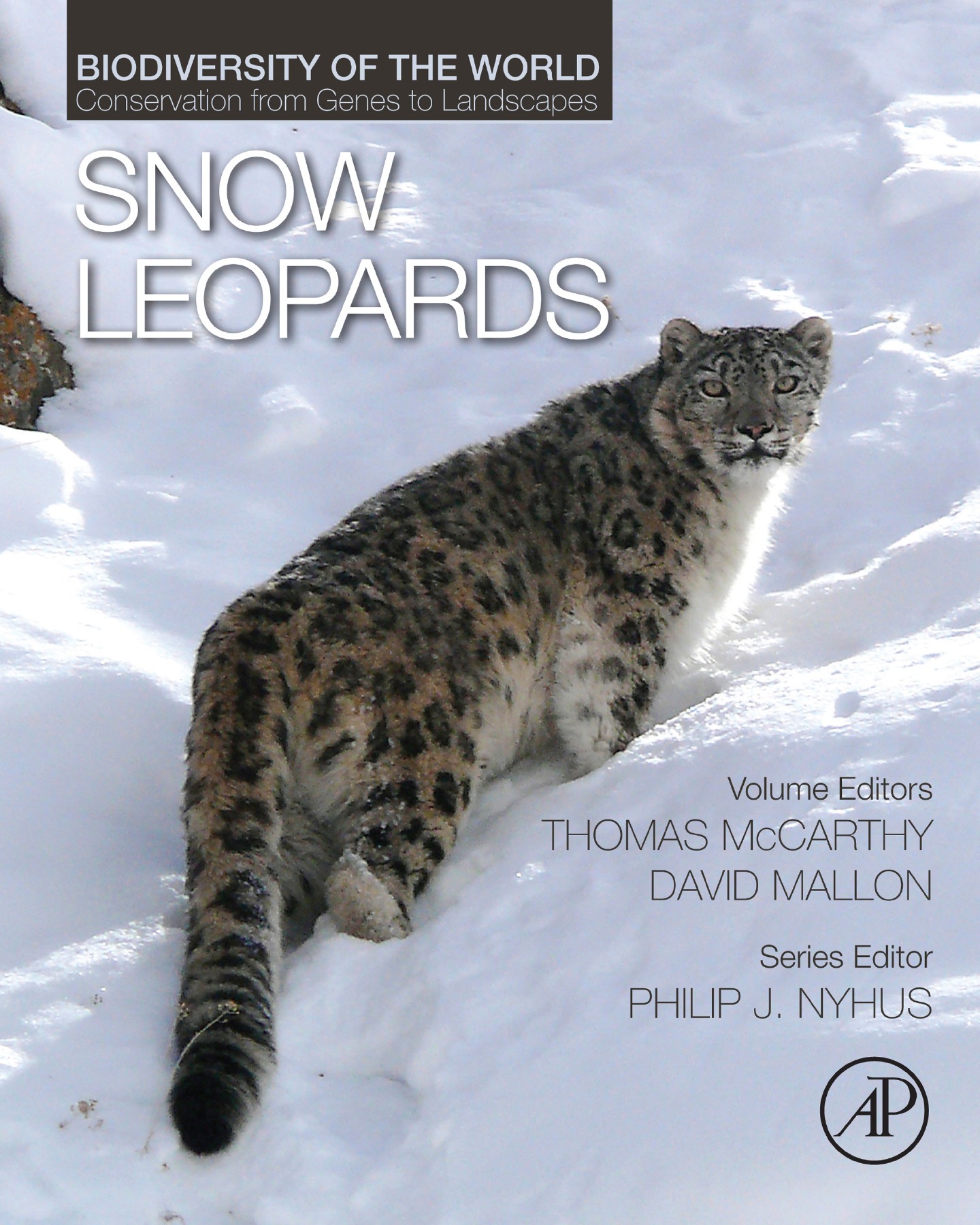
Just published, the first ever comprehensive book on the snow leopard.
It has been said that it takes extraordinary people to dedicate their lives to this extraordinary cat.
This week has seen great news for snow leopards and the snow leopard community. The first ever comprehensive book on the biology, behavior and conservation status of the snow leopard has just been published and I’m proud to be one of the nearly 200 authors.
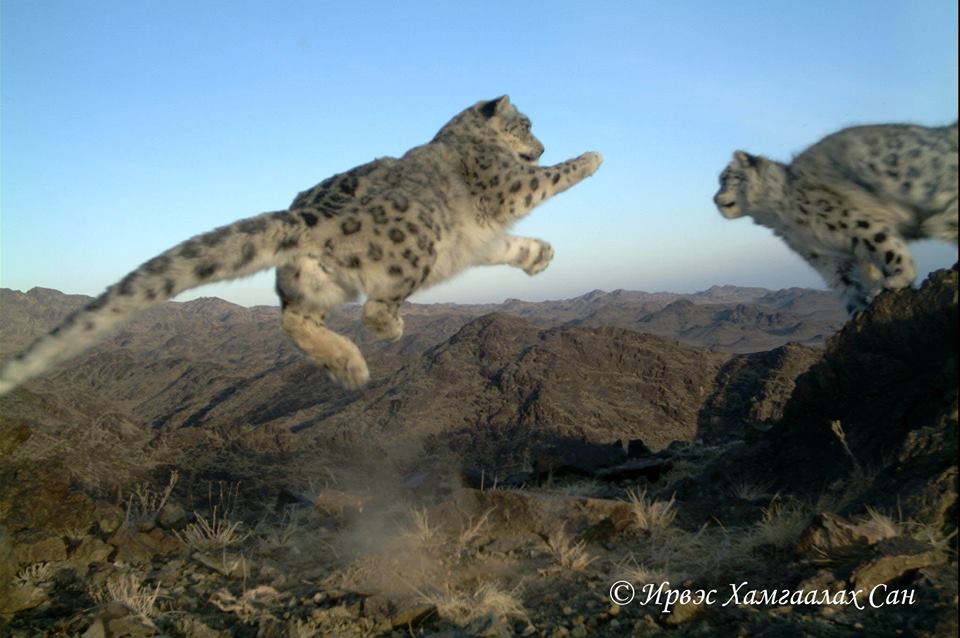
Snow leopards are the least studied of the big cats because of their shy, elusive behavior, their superb camouflage and the fact they live in remote and extreme high altitude mountains of Central Asia. Many researchers spend years studying them without seeing one in the wild.
“Snow Leopards,” Part of New Series, “Biodiversity of the World Conservation From Genes to Landscapes” was edited by Dr. Tom McCarthy and Dr. David Mallon, recognised snow leopard experts with more than 50 years of collective experience in research and conservation of the species.
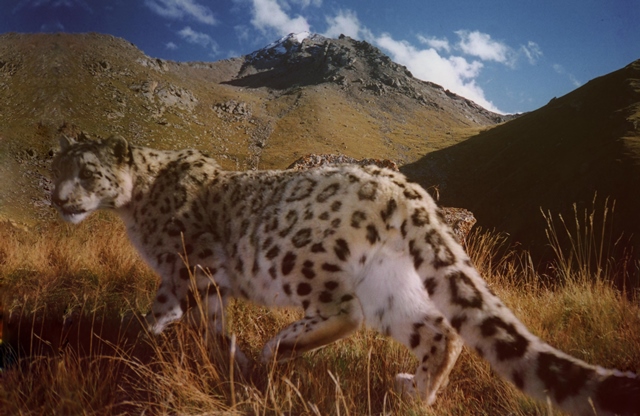
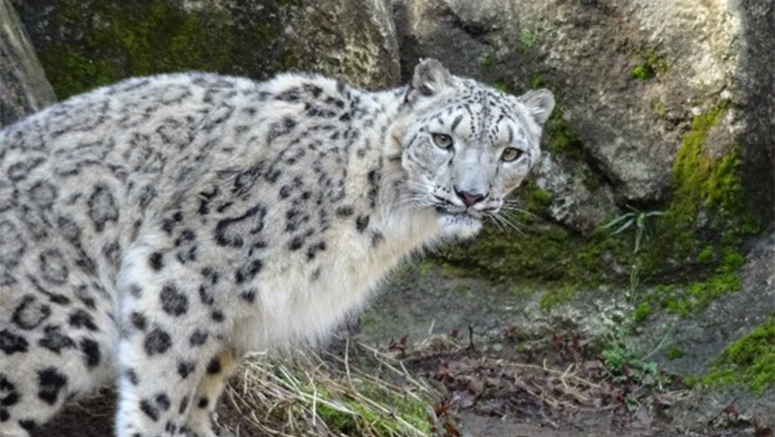
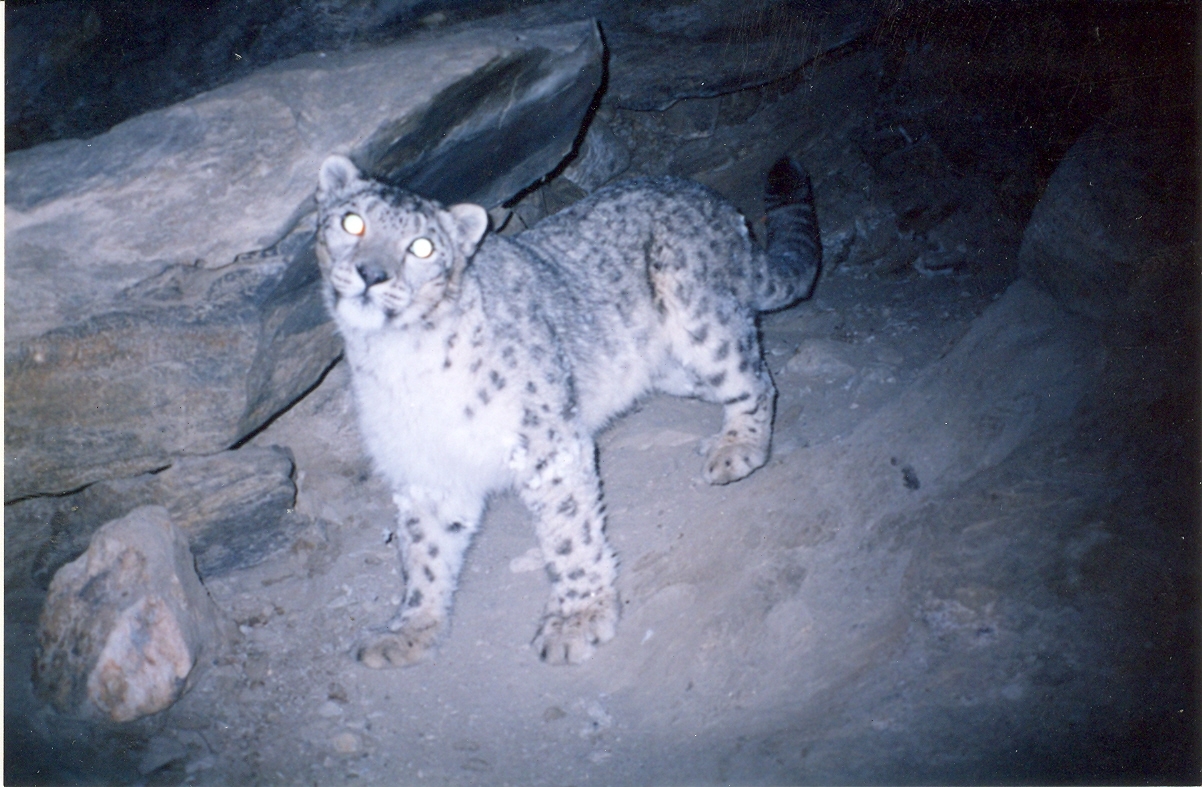
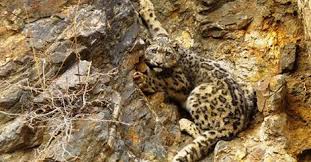
Wild snow leopard A snow leopard in its remote habitat, caught on camera trap in Kyrgyzstan. (Photo SLT).
“This book is the collective work of a cadre of dedicated and passionate individuals who believe the snow leopard deserves forever to be a living icon of Asia’s high peaks,” said co-editor Dr. McCarthy, Executive Director of the Snow Leopard Program for Panthera. “With nearly 200 authors and 47 chapters, “Snow Leopards” covers a wide range of topics from ecology, threats, conservation success stories, new research tools and technologies and country status reports, concluding with an outlook for the species’ future. I am sure this book will be of interest to everyone from armchair naturalists, students and range-state decision makers, to seasoned snow leopard conservationists.”
“Only in recent years have advances such as satellite telemetry and compact camera traps capable of taking high-quality night shots while surviving extreme low temperatures allowed scientists to begin to unravel the mysteries behind the snow leopard’s life,” said Wildlife Conservation Society (WCS) scientist Dr. Stephane Ostrowski.
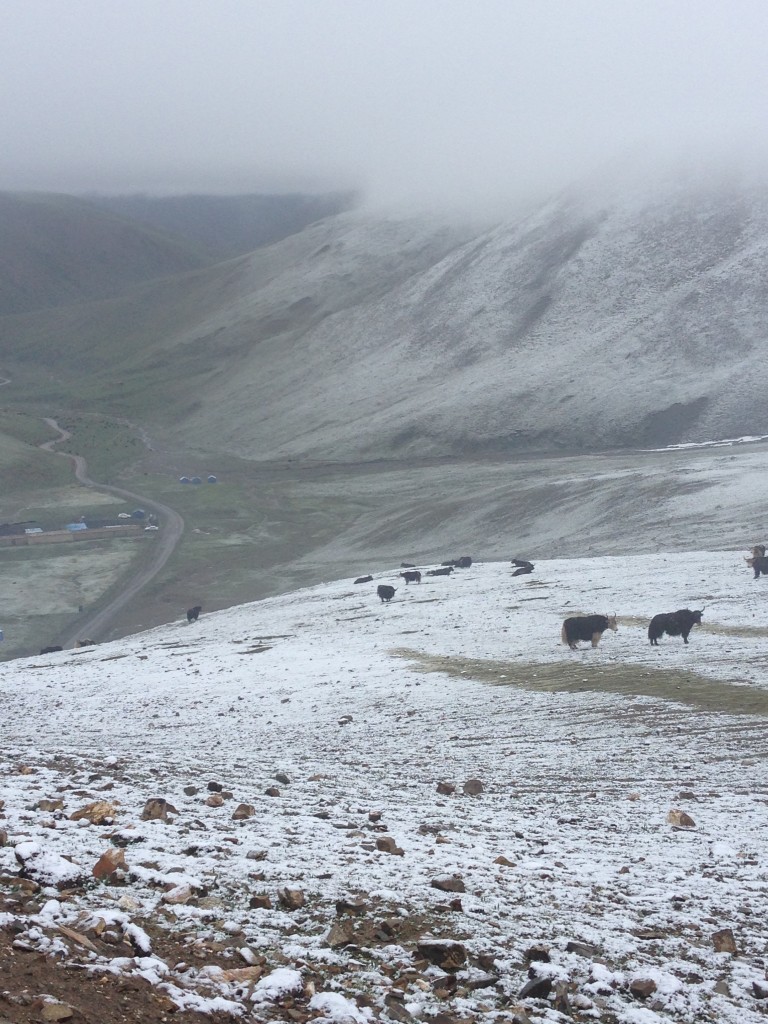
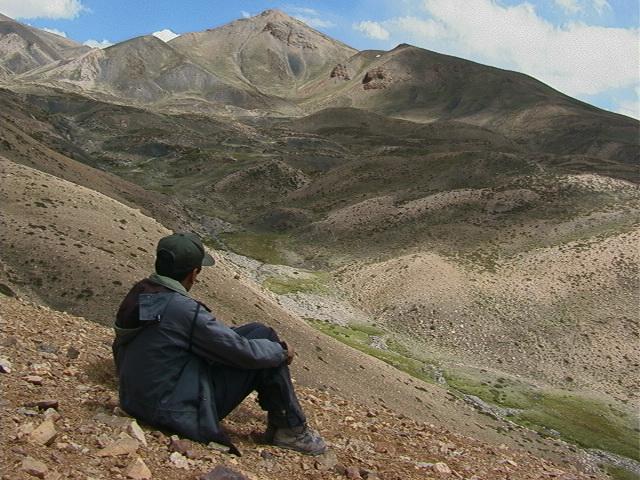
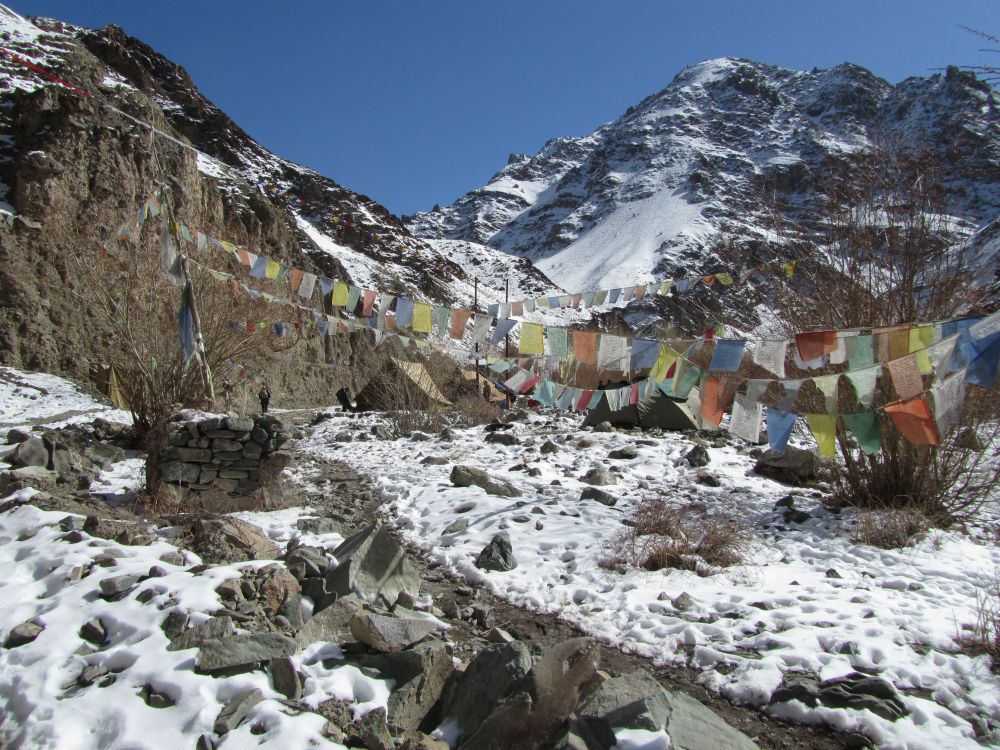
Remote Snow Leopard habitat in Sangjiangyuan Reserve Qinghai province. ( Photo Shan Shui).
Peter Zahler, Coordinator for the WCS Snow Leopard Program said, “This is an incredibly important book. (It) will serve as the go-to reference work on snow leopards for decades to come.”
Recently snow leopard scientists have found some evidence that suggests the big cats may be more common than previously thought. New estimates focused on areas described as ’Snow Leopard Conservation Units,’ covering only 44 percent of the snow leopard’s extensive range (which extends over roughly 3 million km2 or 1,158,306 square miles) suggests that there may be between 4,678 and 8,745 snow leopards just in these units. This is higher than previous estimates for the entire global population, which had previously been thought to be only between 3,920 and 7,500.
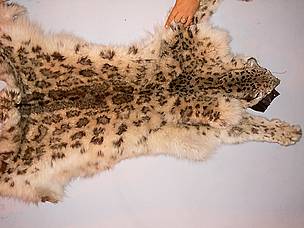
However, although numbers may be higher than previously thought, threats to snow leopards such as habitat encroachment, human conflict, poaching and illegal parts trade are on the increase and the long term future of the species is not assured.
“Snow Leopards” was published by Elsevier, a world-leading provider of scientific, technical and medical information products and services.

Famous snow leopard conservationist and Vice President of Panthera, Dr George Schaller has written the Foreword to the first ever comprehensive book on Snow Leopards. Photo WCS.
Congratulations to Tom McCarthy and David Mallon and the 200 authors who made this seminal and important book possible. With the data and knowledge published here for the first time, researchers, conservationists, NGO’s and government authorities are better poised to collaborate to ensure this beautiful cat’s existence in the wild.
One of the most famed snow leopard researchers and conservationists of all, Dr George Schaller wrote the Foreword. He quotes this beautiful passage –
“I am a true son of Snowy Mountains
Watching over solitude, persisting
Through all temporal stages
Crowded among hardened waves of boulders
I stand guard here.”
From “I, Snow Leopard” by Jidi Majiya.
The book can be purchased here.